“Can my jaw dislocate while having a tooth removed?”
This question is very common among patients in Bursa, especially before difficult extractions, wisdom tooth surgery, or long appointments. Stories circulating online and exaggerated claims on social media often make this fear seem bigger than it actually is.
Here is the real situation:
Yes, the jaw joint can get strained.
But an actual jaw dislocation during a routine tooth extraction is extremely rare, occurs mostly in patients with specific risk factors, and is largely preventable with proper planning by an experienced oral and maxillofacial surgeon.
In this article, we explain—clearly and in patient-friendly language—whether jaw dislocation is a realistic concern, how the jaw joint works, what happens during complex extractions, how piezosurgery affects the process, and what patients should pay attention to.
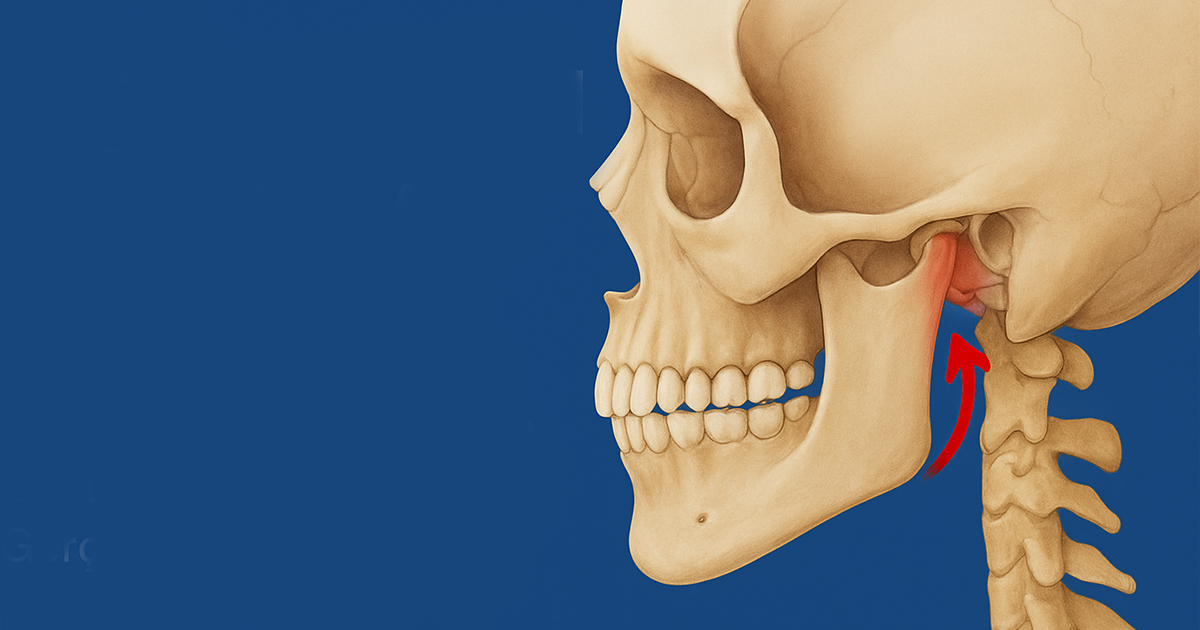
The temporomandibular joint (TMJ) connects the lower jaw to the skull. It includes cartilage, ligaments and muscles, and works continuously while chewing, speaking, swallowing and yawning. During a long dental procedure, keeping the mouth open widely can tire these structures, especially in patients who already have TMJ issues.
Most post-extraction complaints such as jaw fatigue, clicking or temporary difficulty in opening and closing are related to muscle and joint strain—not to actual jaw dislocation.
Hundreds of tooth extractions are performed in Bursa each day without any complications. Jaw strain is more likely in:
Long procedures may cause muscle fatigue, mild pain, or temporary tightness. These are normal and temporary—not true jaw dislocation.
A real TMJ dislocation is when the jaw joint comes completely out of its socket, leaving the mouth open and unable to close. It is usually caused by:
It can theoretically occur during dental procedures but is extremely rare. Oral surgeons take preventive steps based on patient history.
In these patients, oral surgeons in Bursa typically use shorter working intervals, controlled mouth opening and more frequent breaks.
During wisdom tooth surgery, an oral surgeon will:
These techniques minimize unnecessary pressure on the jaw joint and reduce the risk of strain.
Piezosurgery:
This reduces joint stress, improves control and makes extractions safer and more comfortable.
Look for:
Theoretically yes, as with any joint under strain—but:
If you are worried about jaw dislocation during extraction, consulting a qualified oral surgeon in Bursa is the best way to get accurate information and peace of mind.
Dental veneers are a long-term investment in your smile. To ensure they last, practice good oral hygiene, avoid staining foods and hard items, and visit your dentist regularly. By following these tips, you can enjoy a beautiful smile with your veneers for many years.
In recent years, more and more patients have been choosing to travel abroad for dental care—and for good reason. The concept of dental tourism is booming, especially in countries like Turkey, where top-quality treatments meet affordable prices and exceptional service. But what makes the experience truly worthwhile is choosing the right clinic, and Milim Dental in Bursa offers one of the best examples of how dental care abroad can go beyond expectations.

Can braces or Invisalign fix severe jaw misalignment (Class II/III)? Orthodontic Specialist Dr. Begüm Ulaşan in Bursa explains when orthodontics alone is enough and when Orthognathic Surgery is required for true skeletal correction. Get a personalized analysis.

Milim Dental Hospital isn't just a clinic—it's where confident smiles begin. With a team of world-class specialists, advanced technology, and a patient-first approach, we turn dental care into a premium experience.
We prioritize hygiene, comfort, and tailor-made treatments designed just for you. Don’t just take our word for it—explore real stories from real patients.
Your perfect smile starts here. Join the Milim experience.

Milim Dental Hospital provides comprehensive dental services in a spacious 1,000 m² facility, supported by a wide team of dental professionals including specialists in Oral and Maxillofacial Surgery, Prosthodontics, Orthodontics, Pediatric Dentistry, and Periodontology.

Would you like to see real patient results? Feel free to explore our Case Gallery!