Many patients come to Milim Dental in Bursa, Turkey with the same worries:
“My age is advanced – am I too old for implants?”
“I have gum recession and bone loss; how will an implant hold?”
“I have high blood pressure (hypertension); is surgery safe for me?”
“I have diabetes; will the implant fail?”
“What about my mother or father – can they have implants at their age?”
These are very normal and very important questions.
The short answer is:
In many cases, yes, you and your parents can still have implants,
but only after careful planning, medical assessment and a personalised treatment strategy.
This article will explain, in clear language and step by step, how the team at Milim Dental Bursa, led by Oral & Maxillofacial Surgeon Dr Ali Direnç Ulaşan, evaluates older patients with bone loss, hypertension and diabetes for dental implant treatment.
One of the biggest myths in dentistry is:
“I’m too old for implants.”
In reality:
There is no fixed upper age limit for dental implants.
A healthy 75-year-old can often be a better candidate than a poorly controlled 50-year-old.
What matters most is your overall health, not the number on your ID card.
In older patients, we pay special attention to:
Heart and blood pressure status
Diabetes and blood sugar control
Bone quality and quantity
Medications (especially blood thinners and osteoporosis drugs)
General mobility and ability to maintain oral hygiene
At Milim Dental in Bursa, we regularly treat patients in their 60s, 70s and even 80s with implants, including full-mouth rehabilitation when appropriate.
Many older patients with gum disease or long-term missing teeth have:
Bone loss around teeth
Gum recession
Loose or drifting teeth
It is logical to ask:
“If my bone is melting and my own tooth couldn’t stay, how will a metal screw (implant) hold?”
Here is the key point:
Natural teeth are held by a root + ligament + bone.
An implant is held by direct bone connection (osseointegration), without a ligament.
If we can create or preserve enough healthy, stable bone, an implant can integrate very strongly – often more rigidly than the original tooth.
At Milim Dental Bursa, we use:
CBCT (3D scans) to measure existing bone
Digital planning to choose implant size, angulation and position
Bone augmentation techniques (bone grafts, sinus lifts, guided bone regeneration) when needed
So even if you or your parents have bone loss, implants may still be possible with:
Correct diagnosis
Possible bone regeneration
Careful surgical technique
Hypertension is extremely common in older patients. The question is:
“If I have high blood pressure, is implant surgery dangerous?”
The important distinction is between:
Well-controlled hypertension (with medication and doctor follow-up)
Uncontrolled hypertension (irregular medication, frequent crises, no monitoring)
In many patients whose blood pressure is stable under medication, dental implants can be performed safely with:
Pre-operative blood pressure check
Stress reduction (calm environment, clear explanations, short appointments)
Local anaesthesia techniques adapted to your condition
Close coordination with your cardiologist or family doctor, if needed
At Milim Dental Bursa, we always:
Take a detailed medical history
Measure your blood pressure before treatment
Adjust timing and duration of surgery to your tolerance
If your blood pressure is not under control, we may:
Postpone surgery
Refer you back to your physician for adjustment of medication
Only proceed once your general doctor confirms that you are stable
Safety comes first. Our goal is not just to place implants, but to keep you safe during and after the procedure.
Another very frequent question is:
“I have diabetes. Can I still have implants, or will they fail?”
Again, the key difference is between:
Well-controlled diabetes
Poorly controlled diabetes
If your diabetes is under control (with diet, tablets or insulin) and your doctor is monitoring you, implants can often be placed successfully with:
Good planning
Antibiotic and antiseptic protocols where indicated
Careful control of infection and healing
Close follow-up and maintenance
Studies show that well-controlled diabetic patients can have implant success rates close to non-diabetic patients, provided that:
Oral hygiene is excellent
Blood sugar control remains stable
Regular check-ups are maintained
At Milim Dental Bursa, we routinely:
Ask about your latest blood sugar or HbA1c values
Communicate with your endocrinologist or family doctor when necessary
Plan surgery for the time of day when your blood sugar is most stable
Provide clear instructions on eating and medication on the day of surgery
If blood sugar is high and unstable, the risk of:
Infection
Delayed wound healing
Implant failure
is significantly higher. In those situations, we will:
Delay implant surgery
First focus on periodontal treatment and basic oral health
Encourage stabilising your diabetes with your medical doctor
Only when the general health picture is safer do we proceed with implants.
Many patients at Milim Dental Bursa ask not only for themselves, but also for their parents:
“My mother wears a loose denture; can she have fixed teeth with implants?”
“My father is tired of removable prostheses; is he too old for surgery?”
When evaluating your mother or father for implants, we carefully examine:
General health: heart disease, stroke history, diabetes, lung disease, kidney issues
Medications:
Blood thinners (aspirin, clopidogrel, warfarin, DOACs)
Osteoporosis drugs (especially IV bisphosphonates or certain injections)
Immune-suppressing medications
Bone quality: how much bone is available for implants
Dexterity and hygiene: can they clean around implants and prostheses?
Expectations: do they want fully fixed bridges, or would an implant-supported overdenture be more realistic?
Depending on the case, options may include:
2–4 implants with a removable overdenture
Greatly improves stability compared to a normal denture
Easier to clean than very complex fixed solutions
Full-arch fixed bridges on more implants
For suitable, medically stable parents who want fully fixed teeth
Requires very precise planning and strict hygiene
Segmental solutions (implants only in certain key areas)
To improve chewing on one or both sides
Less invasive than full-mouth reconstruction
The goal is always to balance:
Medical safety
Surgical complexity
Chewing function
Ease of cleaning
Total treatment time and cost
Whether it is you, your mother or your father, the process at Milim Dental Bursa follows a similar structure.
Full medical history, including:
Hypertension
Diabetes
Heart disease
Stroke history
Medications
Dental and periodontal examination
Panoramic X-ray and, if needed, CBCT 3D scan
We explain, in simple language:
What is possible
What is risky
What might be better avoided
We coordinate with your cardiologist, endocrinologist or family doctor when necessary.
Based on age, bone, blood pressure, diabetes control and expectations, we propose one or more options, for example:
Implant-supported overdentures
Fixed bridges on implants
Combined solutions with some implants and some natural teeth
Or, in some cases, non-implant solutions if surgery risk is too high
Everything is written and explained clearly, so you and your family can make an informed decision.
Being honest also means knowing when to say “no” or “not now”.
Implants may be postponed or not recommended if:
Hypertension is poorly controlled with frequent crises
Diabetes is severely uncontrolled and not stabilised
There is a history of recent heart attack or stroke without clearance from the doctor
The patient is on certain IV osteoporosis medications with high risk of jaw complications
General health is extremely fragile (advanced heart failure, severe immunosuppression, etc.)
Oral hygiene is very poor and the patient is unable or unwilling to improve it
In such cases, we at Milim Dental Bursa will discuss:
Safer prosthetic alternatives
Simpler, less invasive solutions
Or a staged approach (improve health and hygiene first, then reconsider implants)
If you or your parents are considering implants, you can already start improving your chances of success by:
Taking medications regularly for blood pressure and diabetes, as prescribed
Keeping regular follow-ups with your physician
Quitting or reducing smoking if possible
Improving daily oral hygiene: brushing twice a day, cleaning between teeth
Controlling weight and diet to help stabilise blood sugar and blood pressure
Being honest with your dentist about all medical conditions and medications
Dental implants are not only about the jaw; they are about the whole body. A healthier body means a safer surgery and better long-term results.
Age alone is not a barrier to dental implants. Many patients over 60, 70 and even 80 can be treated safely.
Bone loss does not automatically rule out implants; with CBCT planning and bone grafting, many cases are still possible.
Hypertension and diabetes do not forbid implants if they are well controlled and monitored.
Your parents can often move from unstable dentures to more secure implant-based solutions, depending on their health and bone.
The decision must always be individual, after medical evaluation and careful planning.
aAt Milim Dental in Bursa, Turkey, our implant and oral surgery team led by Dr Ali Direnç Ulaşan focuses on:
Safety first
Realistic expectations
Long-term stability
Clear, honest communication with you and your family
If you, your mother or your father are asking,
“We are older, we have bone loss, blood pressure and diabetes… can we still have implants?”
the next step is a detailed clinical and radiographic consultation, so we can give you a personalised, medically responsible answer – not just a generic promise.
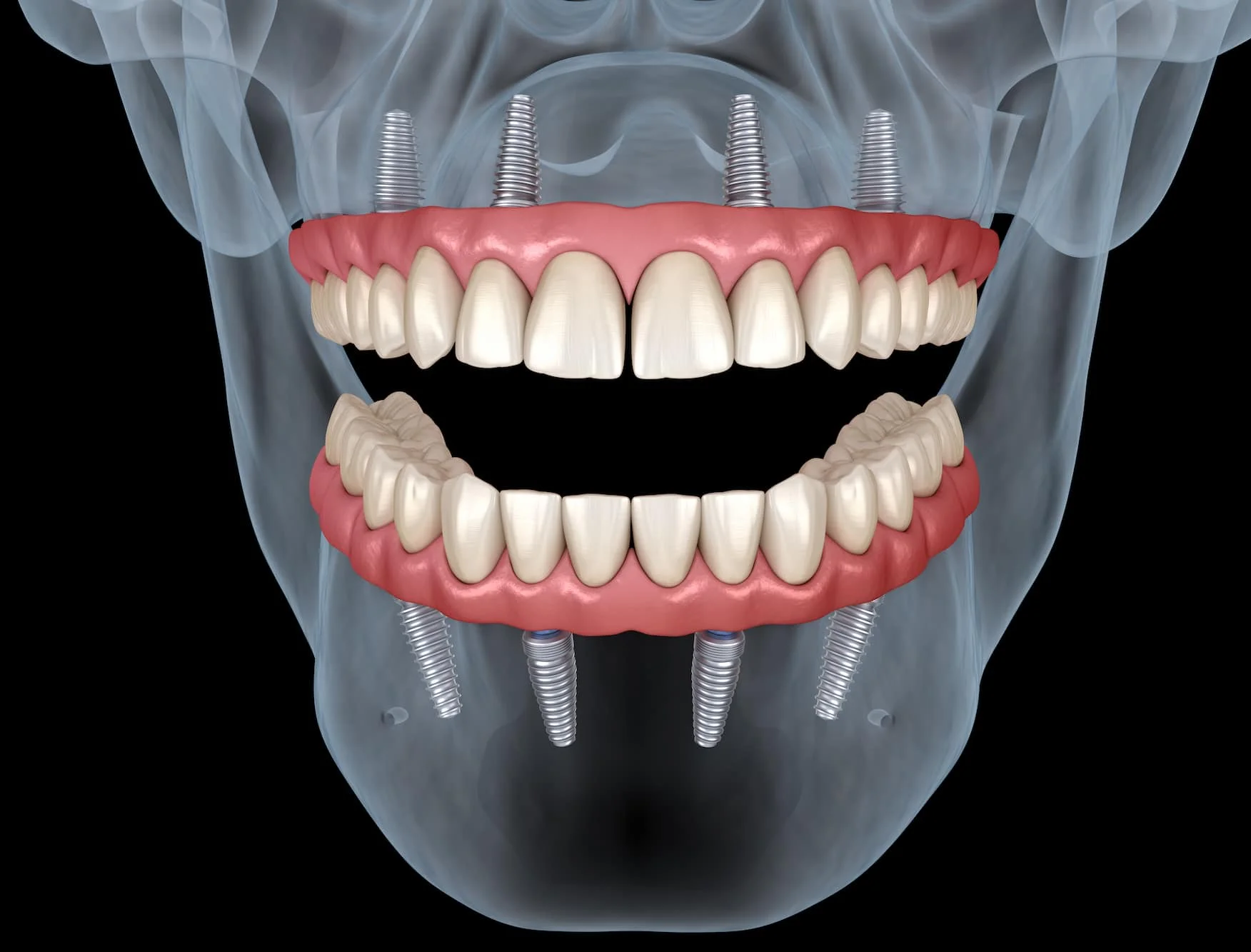
All-on-X offers unmatched flexibility in dental implant procedures, allowing for a customizable number of implants—ranging from 4 to 6 or more—based on individual needs. Ideal for complex cases, it provides enhanced stability, comfort, and a personalized treatment approach.
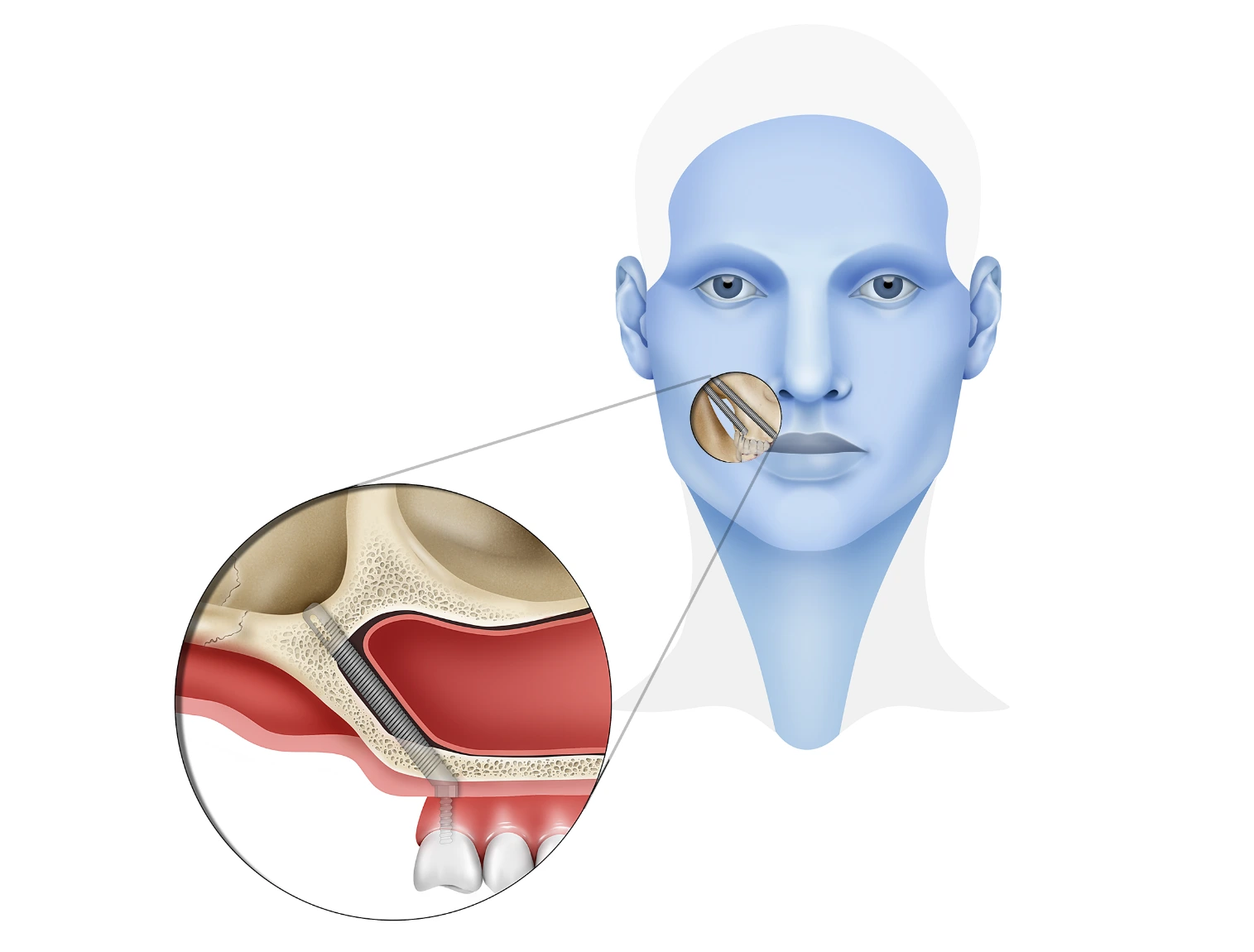
Bone loss in the upper jaw is a common challenge for many people who have been missing teeth for years. It can result from tooth loss, gum disease, infection, or natural aging. Unfortunately, this makes traditional dental implants difficult or even impossible without undergoing additional procedures such as bone grafting or sinus lifts.
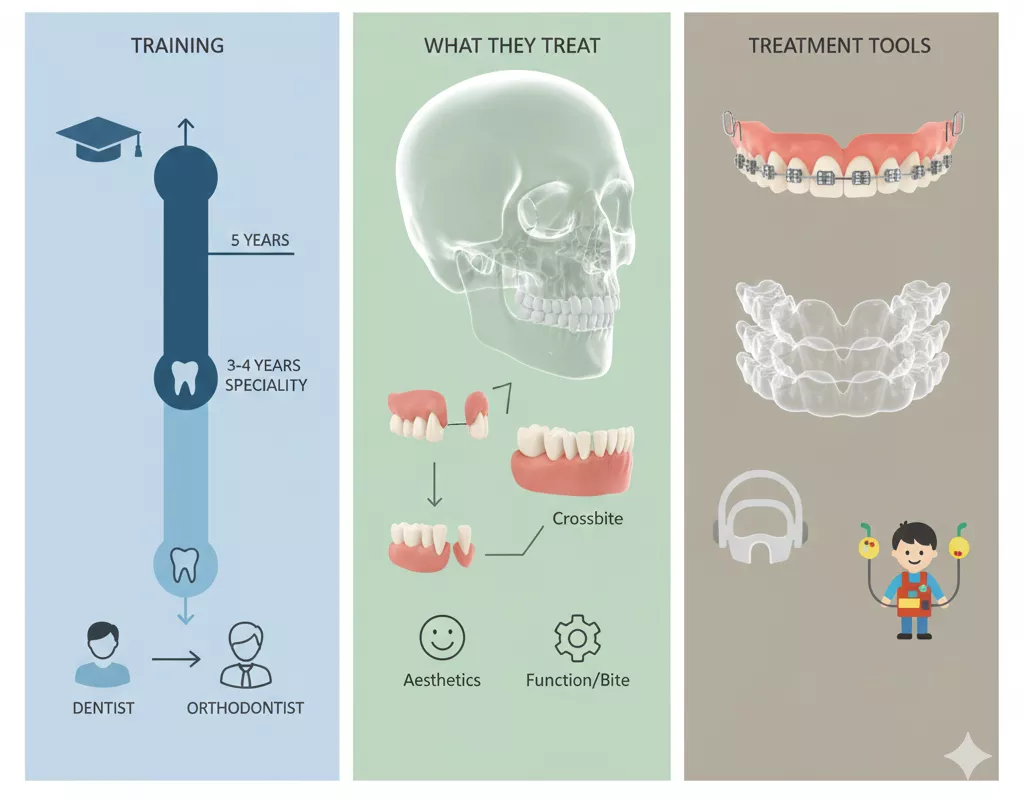
Who is an orthodontist and what do they do? Who provides braces, Invisalign, and clear aligner treatments? Dr. Begüm Ulaşan and Milim Dental in Bursa detail the orthodontist's specialized training and their role in treating children and adults.
Milim Dental Hospital isn't just a clinic—it's where confident smiles begin. With a team of world-class specialists, advanced technology, and a patient-first approach, we turn dental care into a premium experience.
We prioritize hygiene, comfort, and tailor-made treatments designed just for you. Don’t just take our word for it—explore real stories from real patients.
Your perfect smile starts here. Join the Milim experience.

Milim Dental Hospital provides comprehensive dental services in a spacious 1,000 m² facility, supported by a wide team of dental professionals including specialists in Oral and Maxillofacial Surgery, Prosthodontics, Orthodontics, Pediatric Dentistry, and Periodontology.

Would you like to see real patient results? Feel free to explore our Case Gallery!